


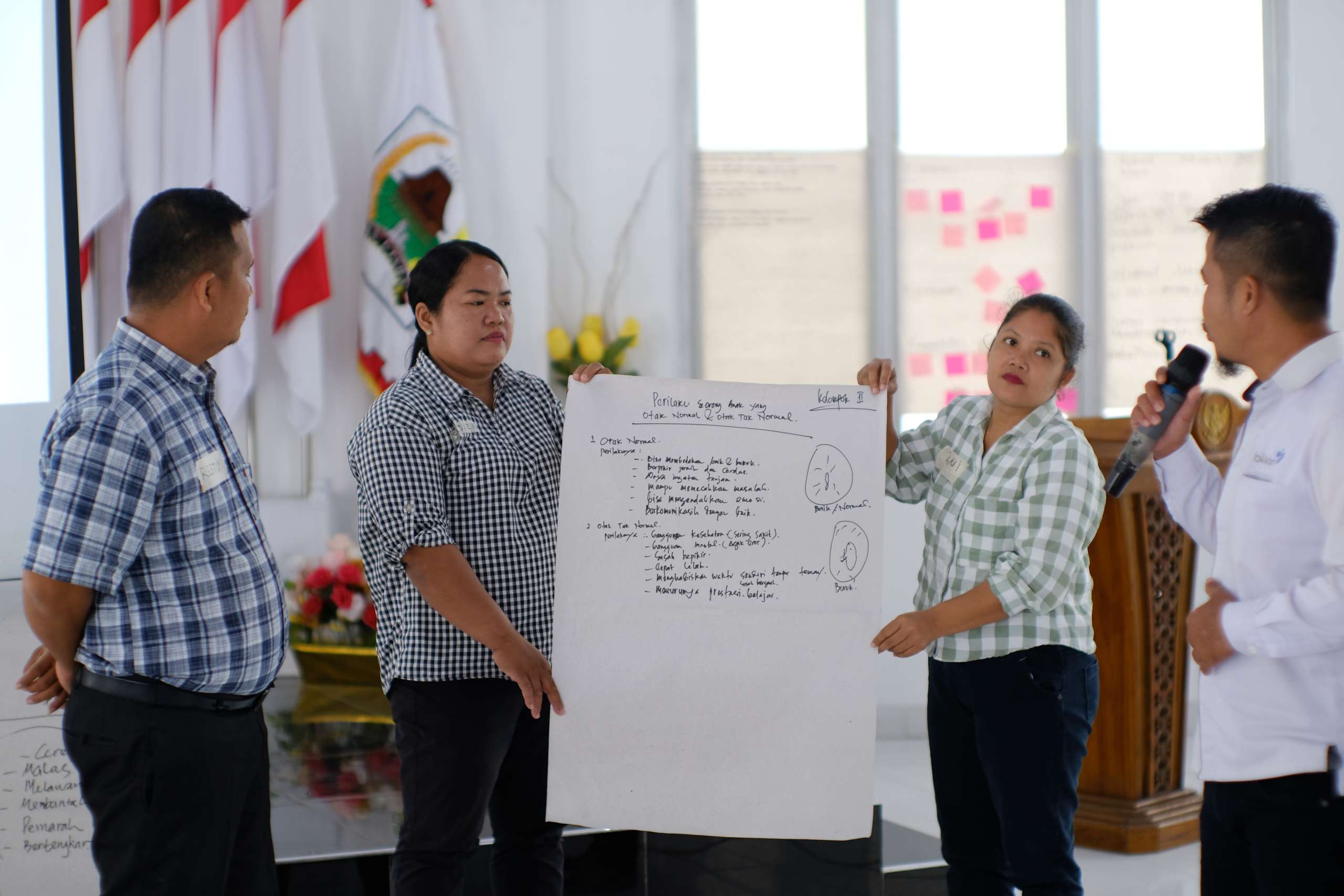
KREASI Nias Utara organized a Safe Families training on non-violent parenting for facilitators of child and parent sessions in three sub-districts: Lotu, Lahewa, and Afulu, held on 23-25 September 2025. This simultaneous training was attended by 38 participants, including teachers, school committee members, community leaders, and representatives from partner organizations such as the Ministry of Religious Affairs (Kemenag), Nias Utara Education Office, Nias Utara Women Empowerment, Child Protection, Population Control and Family Planning Office (DP3AP2KB), the Family Welfare Empowerment (PKK) Movement Team, Indonesian Kindergarten Teachers Association (IGTKI), and Community-Based Integrated Child Protection (PATBM).
The training aimed to ensure that the knowledge gained from the district-level Training of Trainers (ToT) for Safe Families held in August could be applied in schools and communities through local facilitators. The main goal was to strengthen parents’ and communities’ understanding of positive parenting, while also empowering the School Violence Prevention and Response Team (TPPK) and school committees as key program partners.
The facilitators, representing various institutions, had previously completed the ToT Safe Families. They guided participants in understanding the framework of non-violent parenting, child rights fulfillment, gender equality, and communication strategies to drive behavior change. With a dual-intervention design—targeting both school staff and parents/communities—the program emphasizes that child protection is a shared responsibility between schools, families, and society.
The training sessions were interactive, with both participants and facilitators actively engaging in discussions, asking questions, and sharing experiences related to positive parenting practices. Several participants shared their reflections on the training.
One family planning counselor, Toro, found the material highly relevant to his fieldwork.
“The material on non-violent parenting and stress prevention in children is very insightful. Both will help us better communicate this information to families and children in the community,” he said.
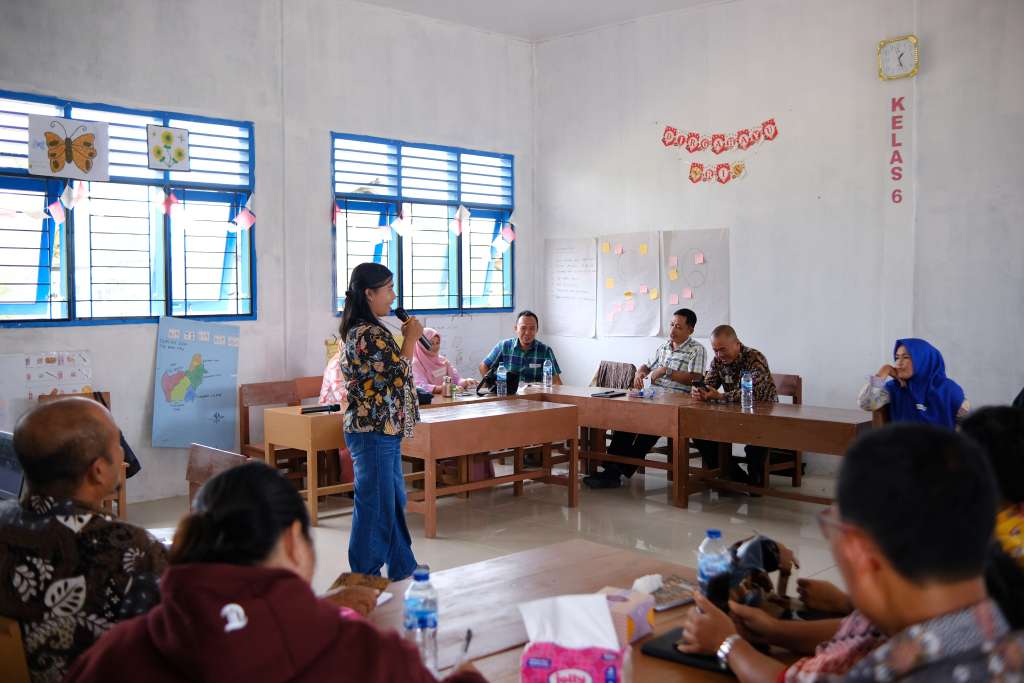
Zega, a primary school teacher in Nias Utara, shared that the training gave him new inspiration.
“The discussions on managing children’s stress and controlling emotions were very useful. I enjoyed learning while also sharing experiences with other participants. This training motivates me to apply what I’ve learned at school and in daily life,” he said.
Another elementary school teacher, Nazara, emphasized the importance of understanding the impacts of violence on children.
“I gained a lot of new insights, especially on how to support children experiencing stress. The facilitators delivered the material enthusiastically and clearly. This training was very beneficial and will definitely be implemented at our school,” he explained.
During the closing session at one of the locations, a facilitator highlighted that children can only thrive in environments that are safe and nurturing. They expressed hope that participants would become agents of change in promoting positive parenting at home, in schools, and within the community.
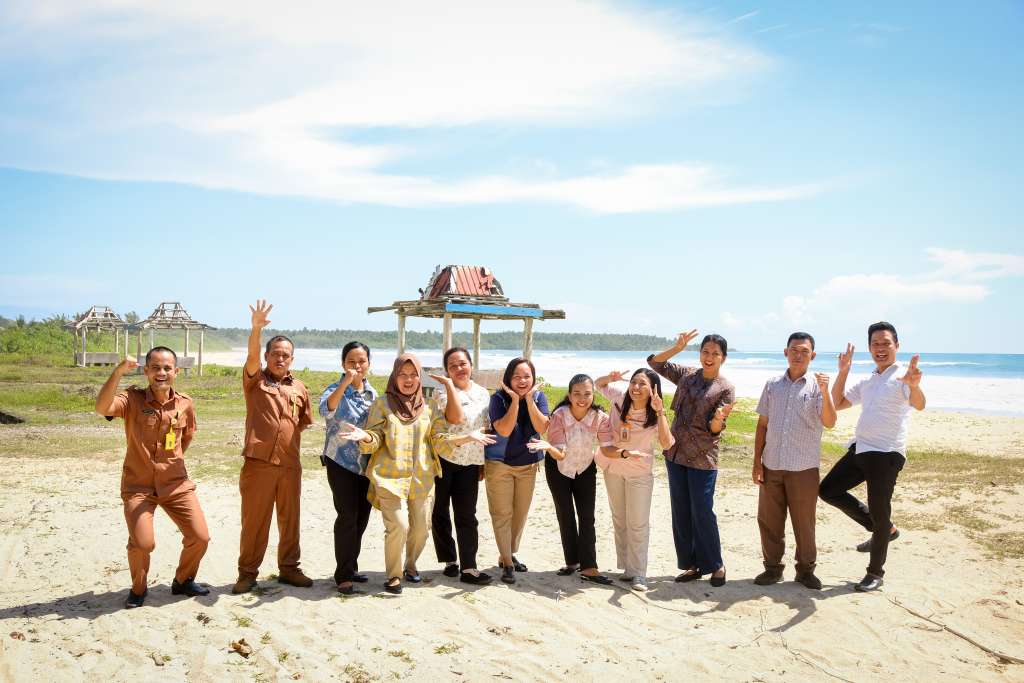
The training participants also declared a shared commitment: to apply non-violent parenting practices starting at home, spread positive practices within schools, and encourage communities to create safe spaces for children. Some participants pledged to integrate positive parenting values into classroom learning, deliver the message through religious groups and study circles, and incorporate it into PKK activities and educational institutions in Nias Utara.
This collective commitment affirms that non-violent parenting is not solely the responsibility of teachers or parents, but of the broader community. With this shared spirit, participants believe that Nias Utara can become increasingly child-friendly and serve as a model of best practices for other regions.
_____
The Program of KREASI or Kolaborasi untuk Edukasi Anak Indonesia (Collaboration for the Education of Indonesian Children) is funded by the Global Partnership for Education, developed by the Ministry of Primary and Secondary Education, and the Ministry of Religious Affairs. KREASI is being implemented by Save the Children with Article 33 Indonesia nd support by the Government of Nias Utara. KREASI aims to improve the quality of education in Nias Utara by strengthening teaching, learning, and student development.
_____
Writer: Calvin Telaumbanua, Editor: Andika Ramadhan
Photo: Calvin Telaumbanua/KREASI/Article 33 Indonesia/Save the Children