


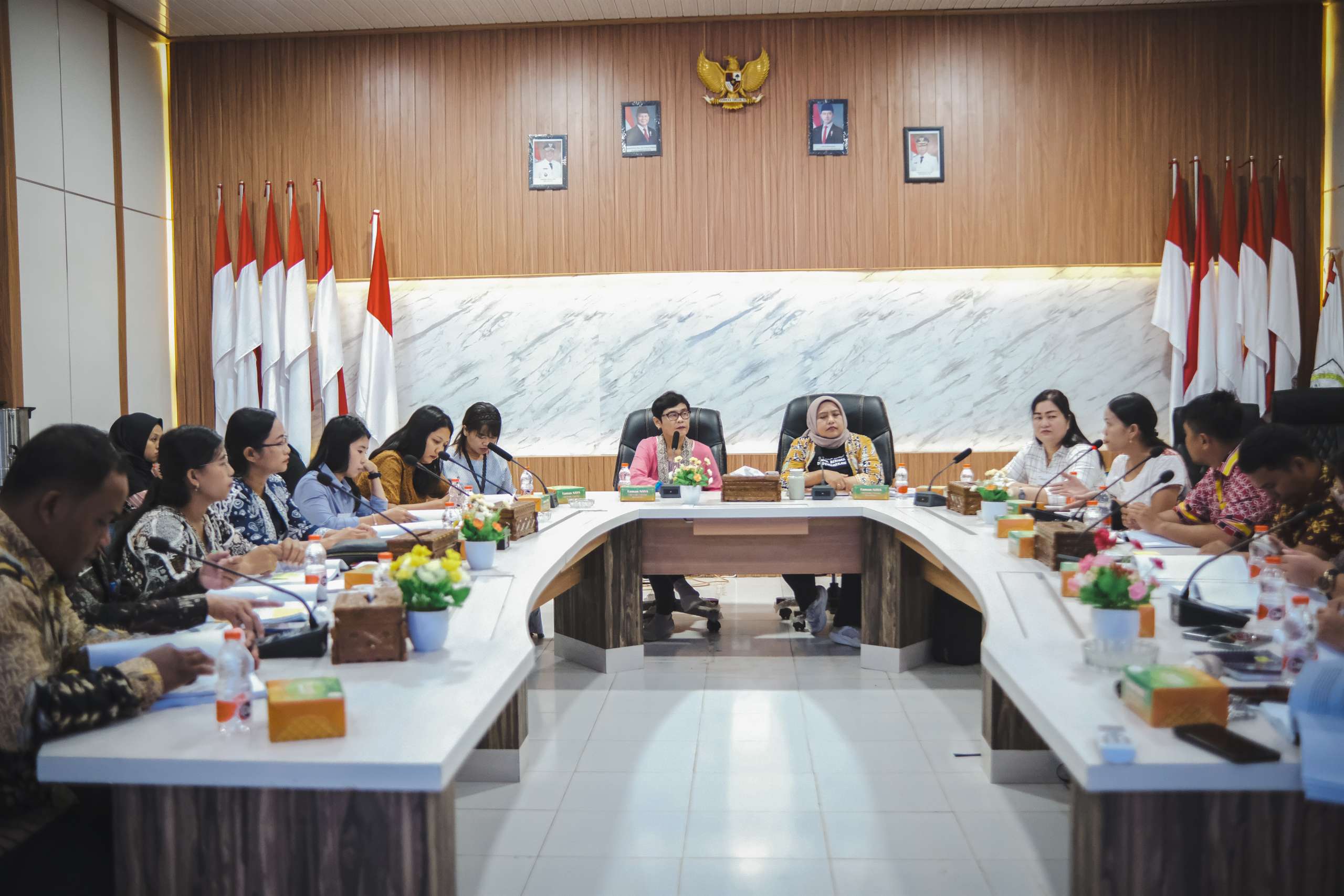
KREASI Nias Utara organized a Training of Trainers (ToT) on Non-Violent Parenting (Safe Families) for 13 cross-sector facilitators in Nias Utara on 19–21 August 2025. The activity aimed to strengthen facilitators’ capacity to support parents, teachers, and communities in applying positive parenting practices free from violence.
Participants came from various institutions, including the Department of Education, the Office of Women’s Empowerment and Child Protection, Population Control and Family Planning (DP3AP2KB), the Social Affairs Office, and the Ministry of Religious Affairs. Representatives of the Family Welfare Movement (TP PKK), the Early Childhood Education Working Group (Bunda PAUD), as well as three members of the Community-Based Integrated Child Protection (PATBM) also attended. This cross-sectoral presence underlined that parenting issues are not solely a family matter, but a shared responsibility across institutions.
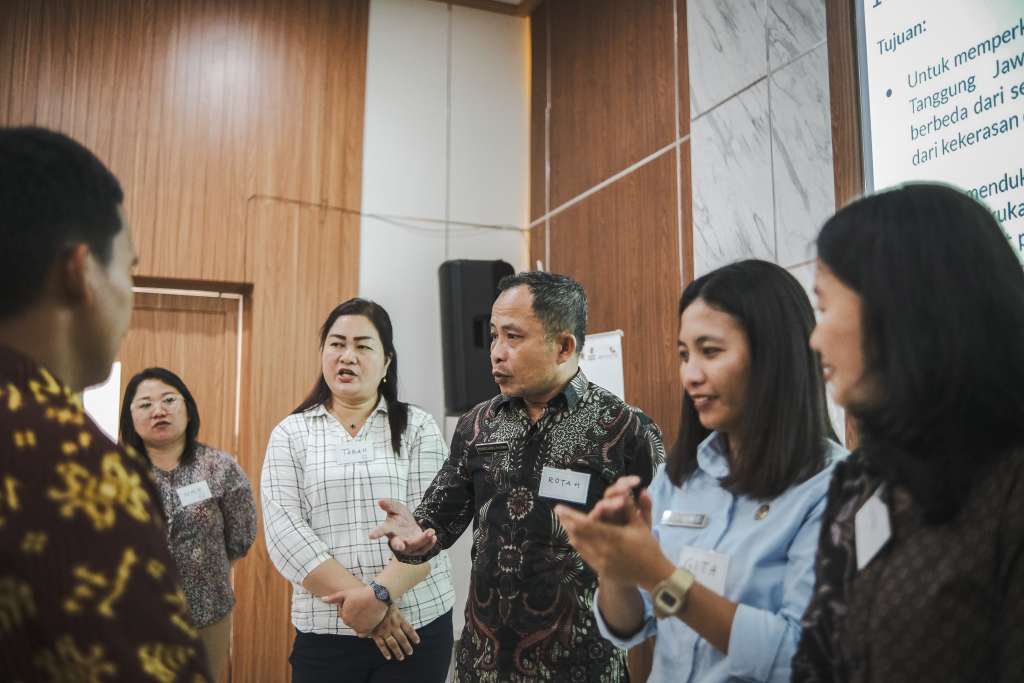
Equipping Facilitators with Positive Parenting Materials
Over three days, participants explored positive parenting from multiple perspectives. The sessions began with an introduction to its principles, gender dynamics in families, and practices for creating safe, warm, and inclusive interactions.
The materials were based on the Safe Families ToT: Building Families with Positive Parenting. The goal was not only to expand knowledge but also to enhance facilitators’ skills so they could train local mentors and support schools and communities. Topics included children’s rights, child protection, the impacts of violence, child safety policies, Psychological First Aid (PFA), referral mechanisms, and stress management.
The training also emphasized gender fairness and built participants’ skills in working with parents, children, and communities. They were encouraged to practice respectful communication, problem-solving, and develop confidence and practical skills that could be directly applied.
In practice, participants facilitated positive parenting groups, prepared parent–child interaction sessions, and led children’s groups. They also drafted follow-up plans to implement the training outcomes in their respective communities.
Discussions were interactive and reflective, often tied closely to participants’ everyday experiences as teachers and parents. One participant asked whether hitting a child could still be considered a way of disciplining. The trainer clarified that hitting is a form of physical violence, and positive communication is a far more effective way to educate and build closeness with children.
Another question highlighted fathers’ roles in parenting. Trainers emphasized that a father’s presence is not just physical but should involve meaningful time together and genuine attention to the child’s needs.
A participant also raised the issue of using the word “don’t” when correcting children. Trainers shared simple alternatives, such as replacing “Don’t run” with “Please walk, dear,” making corrections more guiding than prohibitive.
These interactions showed that positive parenting is deeply relevant to the daily lives of teachers and parents, while also offering reflections on how small changes in communication can have a significant impact on children’s growth and development.
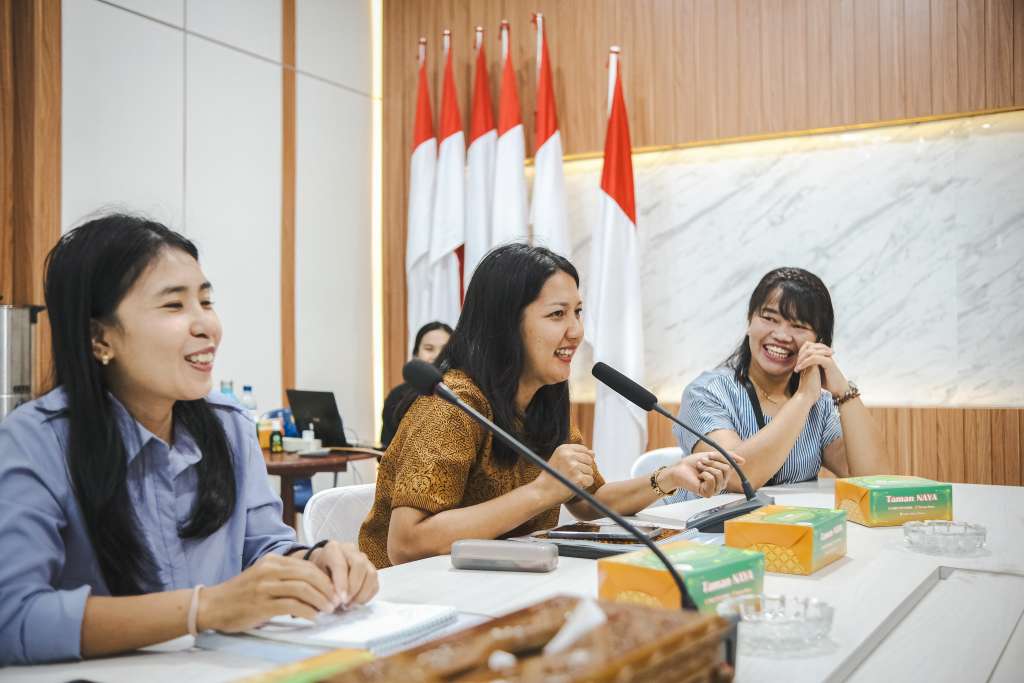
Toward Child-Friendly Environments
Participants expressed that the training strengthened their awareness of the importance of non-violent parenting. Trainers also recommended including more practical sessions, micro-teaching, and ongoing mentoring for village facilitators in the future.
The ToT concluded with a reminder for facilitators to not only deliver the material to mentors but also apply positive parenting in their own families.
Through this activity, KREASI Nias Utara reaffirmed its commitment to supporting parents, teachers, and communities in building safe, warm, and child-friendly environments.
Writer: Calvin Telaumbanua
Photo: Calvin Telaumbanua/KREASI/Article 33 Indonesia/Save the Children