


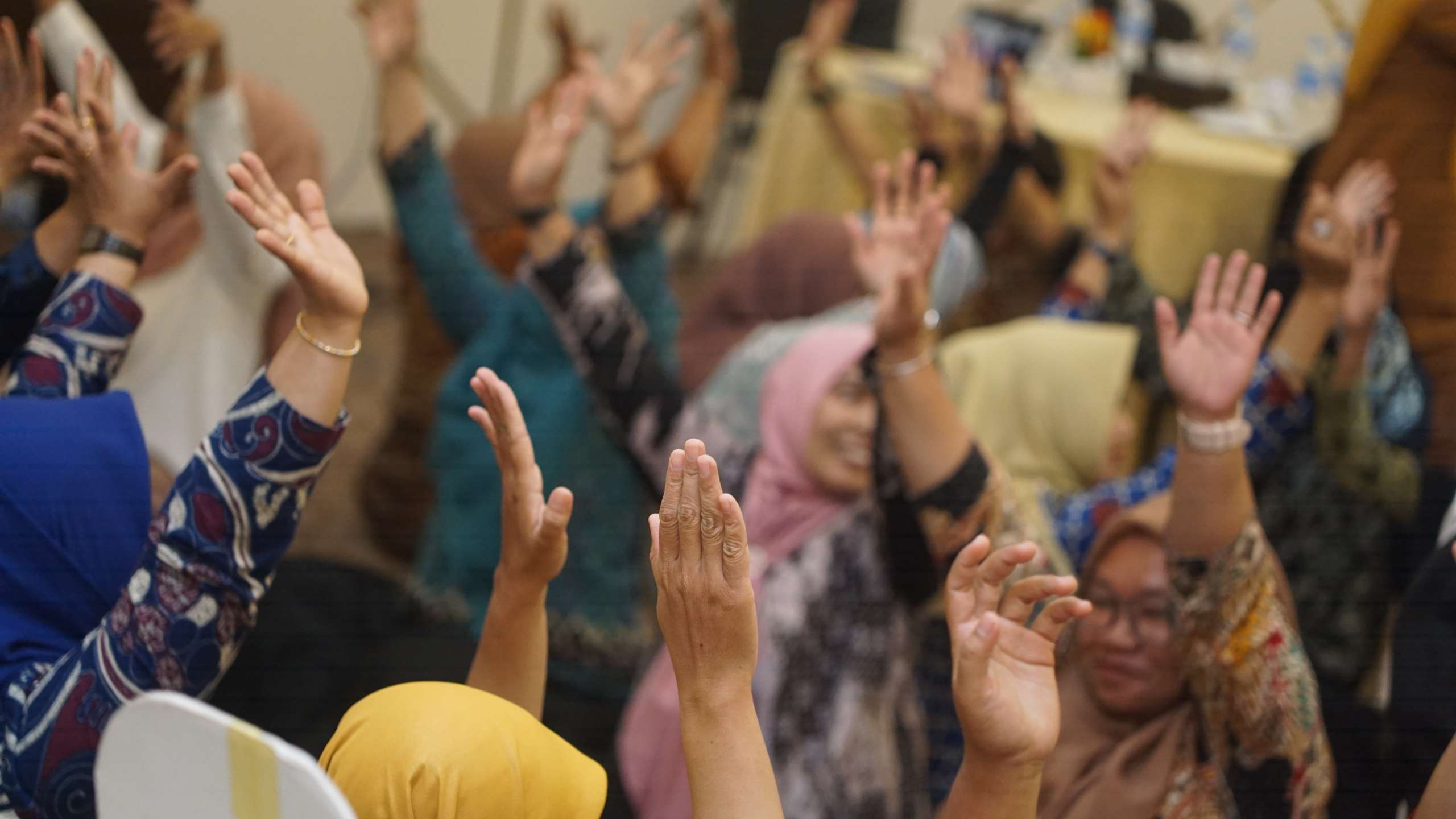
A total of 63 teachers from kindergarten, and RA across various subdistricts in Ketapang participated in a three-day intensive training titled “Deep Learning Practices as a Strategy to Realize Quality, Inclusive, and Equitable Education.” The activity, held on 12–14 August 2025. This was organized by KREASI Ketapang.
The training featured several national speakers who emphasized the importance of a paradigm shift in early childhood education. Among them were academics from Universitas Muhammadiyah Prof. Dr. Hamka (Uhamka) Jakarta, Abdul Rahman Jupri and Gufron Amirullah, who explained that deep learning is not merely a new approach but a way of honoring children in the learning process.
“We are not replacing the curriculum, but changing the way we see children. Deep learning is an effort to make children active, conscious, and meaningful subjects in their own learning,” said Jupri during the opening session.
One of the key topics was strengthening teachers’ growth mindset. According to Gufron, teachers need to move away from a fixed mindset and begin seeing children’s potential as something that can grow and develop.
“Teachers with a growth mindset are more open to reflection, change, and innovation. They are not afraid of failure, because failure is part of the learning process,” he explained.
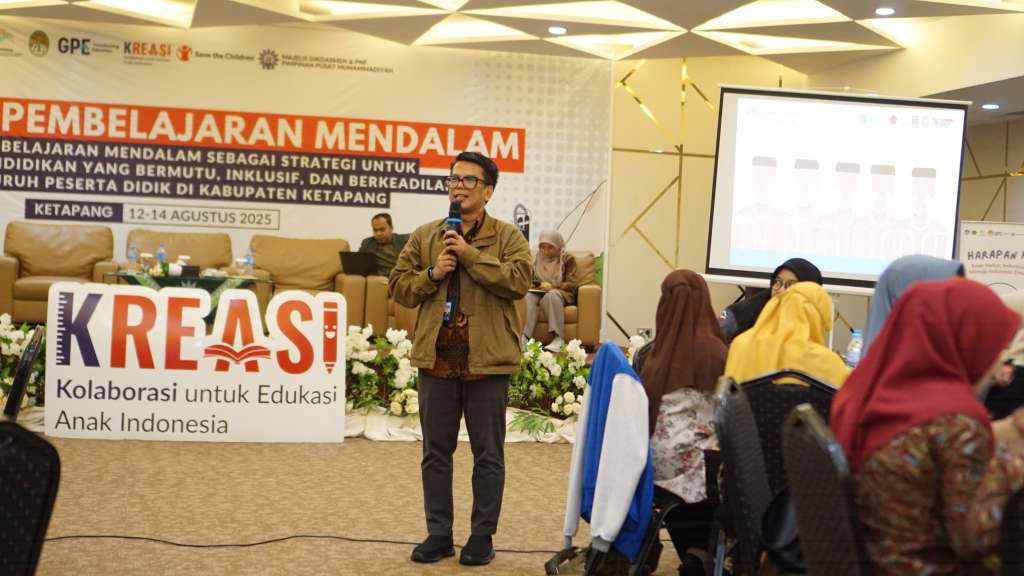
The training continued with an introduction to the principles of Awareness, Meaningfulness, and Joyfulness (BBM) as the foundation of deep learning. Jupri stressed that joyful learning does not mean mere entertainment but rather fostering curiosity in children.
“Joy in learning is not amusement. Joy means when children feel challenged, engaged, and find meaning in what they learn,” he said.
Participants were also introduced to the eight dimensions of graduate profiles, such as being faithful and devoted, independent, critical thinkers, and creative. This approach was linked to the four aspects of development: thought, heart, feeling, and body.
“These four aspects are not empty theories. They serve as a bridge between competence and character. Children not only know but also feel, care, and are able to act,” explained Jupri.
In the session on fair assessment, participants learned how to design instruments that measure not only outcomes but also children’s processes and reflections. Teachers were trained to develop formative assessments that are dialogical and supportive of holistic child development.
“Assessment is not about judging, but about understanding. We need to see children as whole human beings, not just numbers in a report,” stressed Jupri.
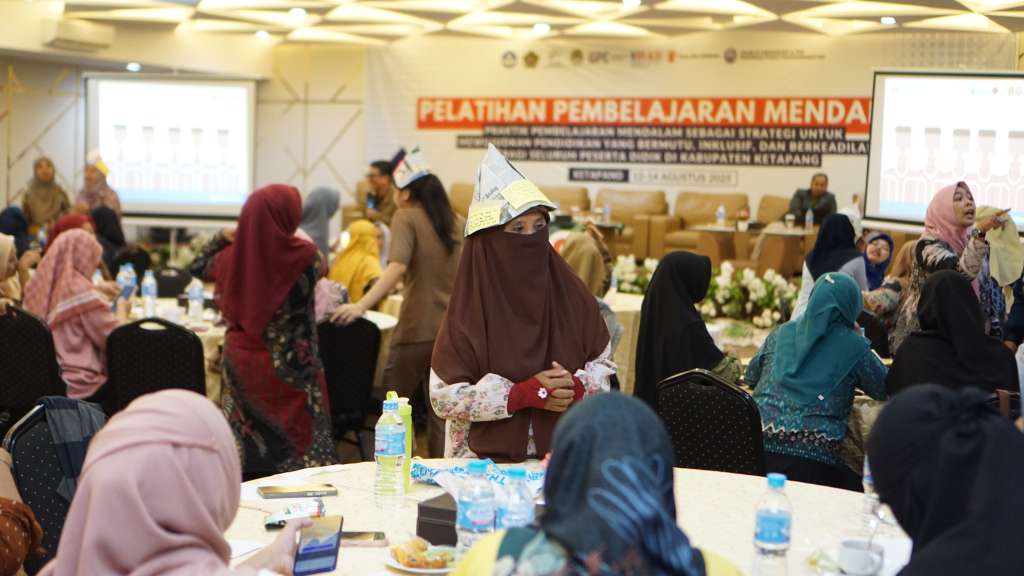
The training concluded with joint reflection and a commitment to disseminate deep learning practices to their respective schools. Program Coordinator of KREASI Ketapang, Santoso Setio expressed his hope that teachers would become agents of change in their communities.
“Ketapang is not only a point of intervention, but a point of ignition. Teachers here have shown that education transformation can begin in simple classrooms,” he said.
As a follow-up, participants will implement the lesson plans they designed, document their teaching practices, and share reflections with their fellow teachers. Ketapang has taken a significant step toward education that is more meaningful and equitable.
Writer: Afriyandi Huda; Editor: Andika Ramadhan
Photo: Afriyandi Huda/KREASI/Majelis Dikdasmen dan PNF PP Muhammadiyah/Save the Children