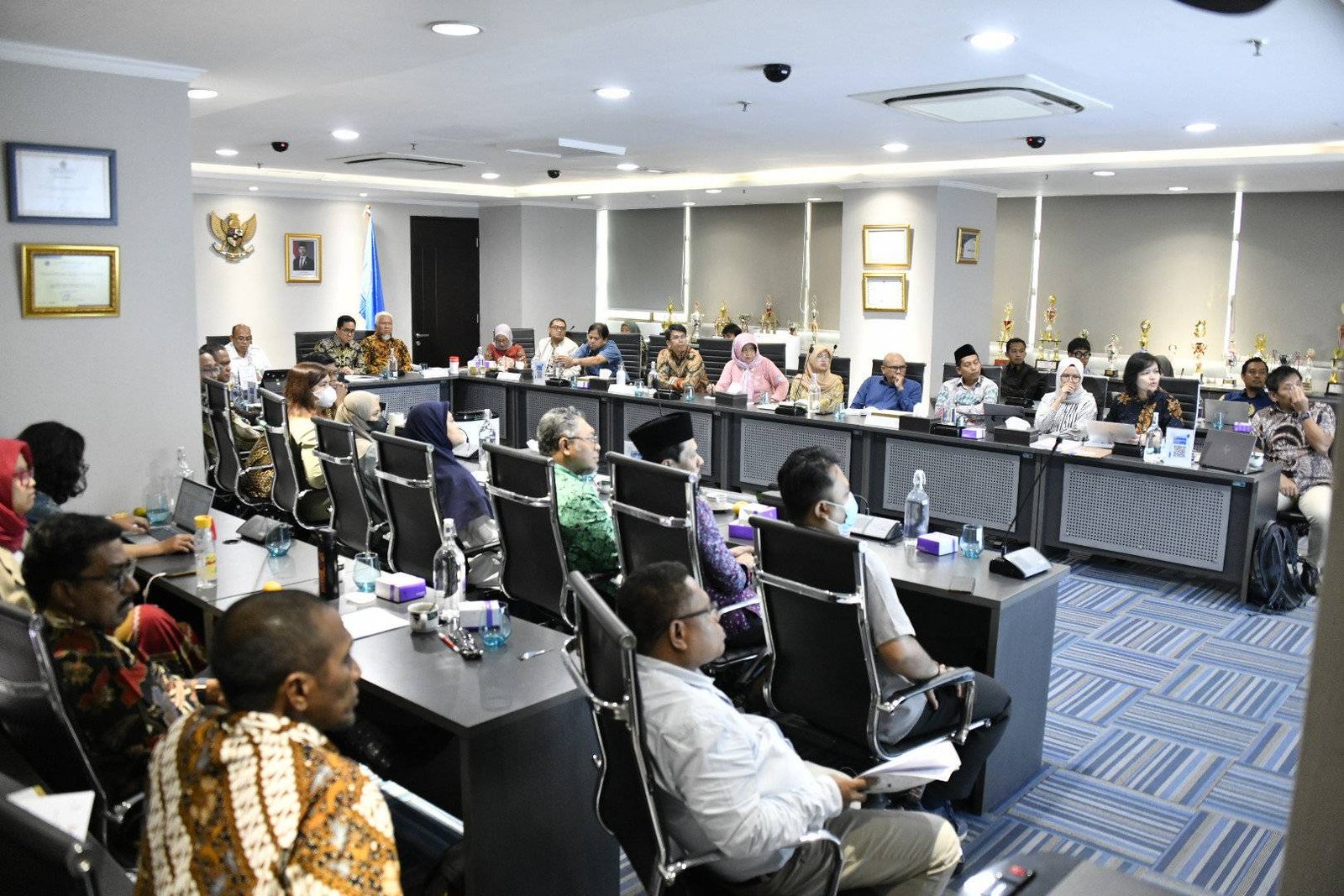
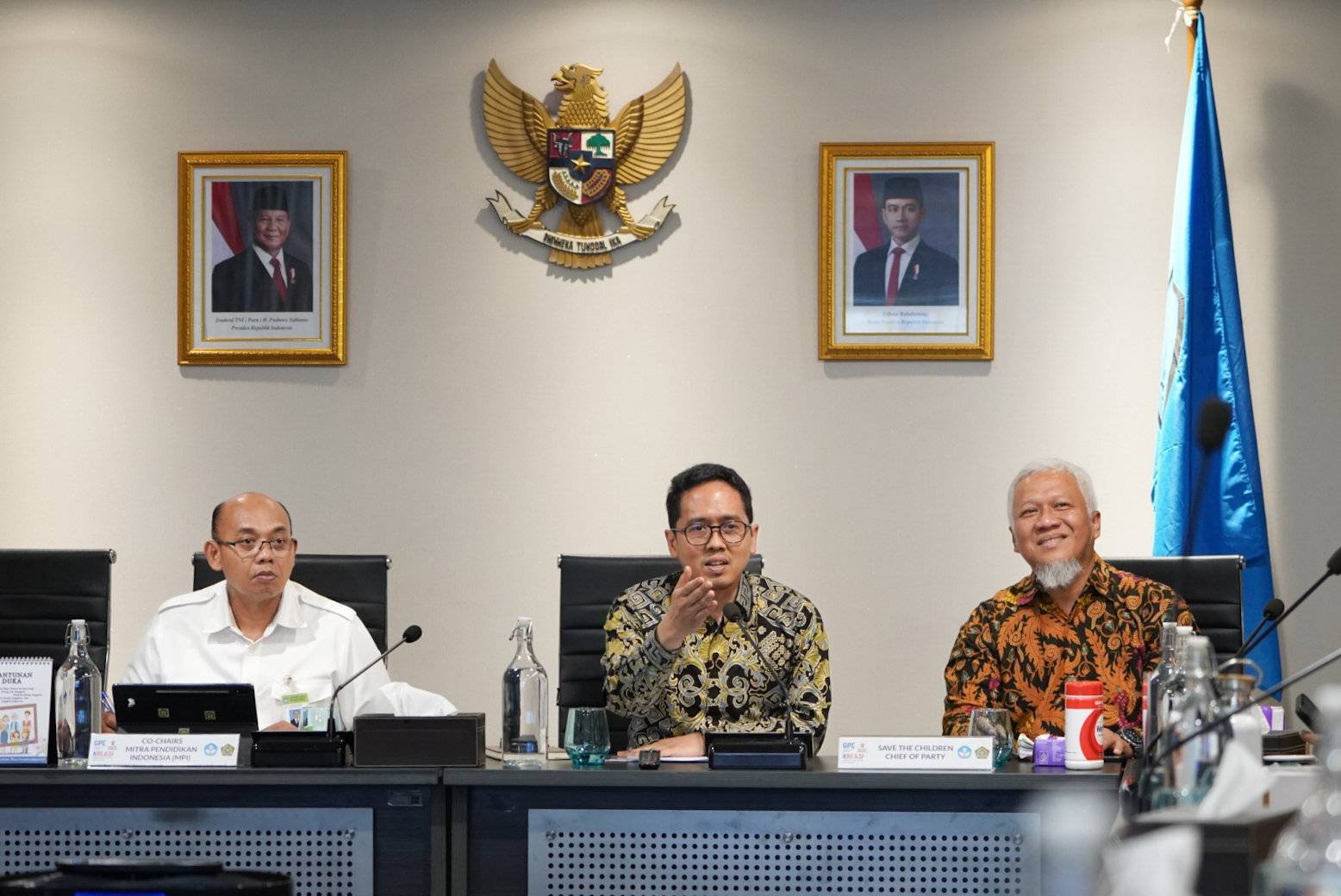
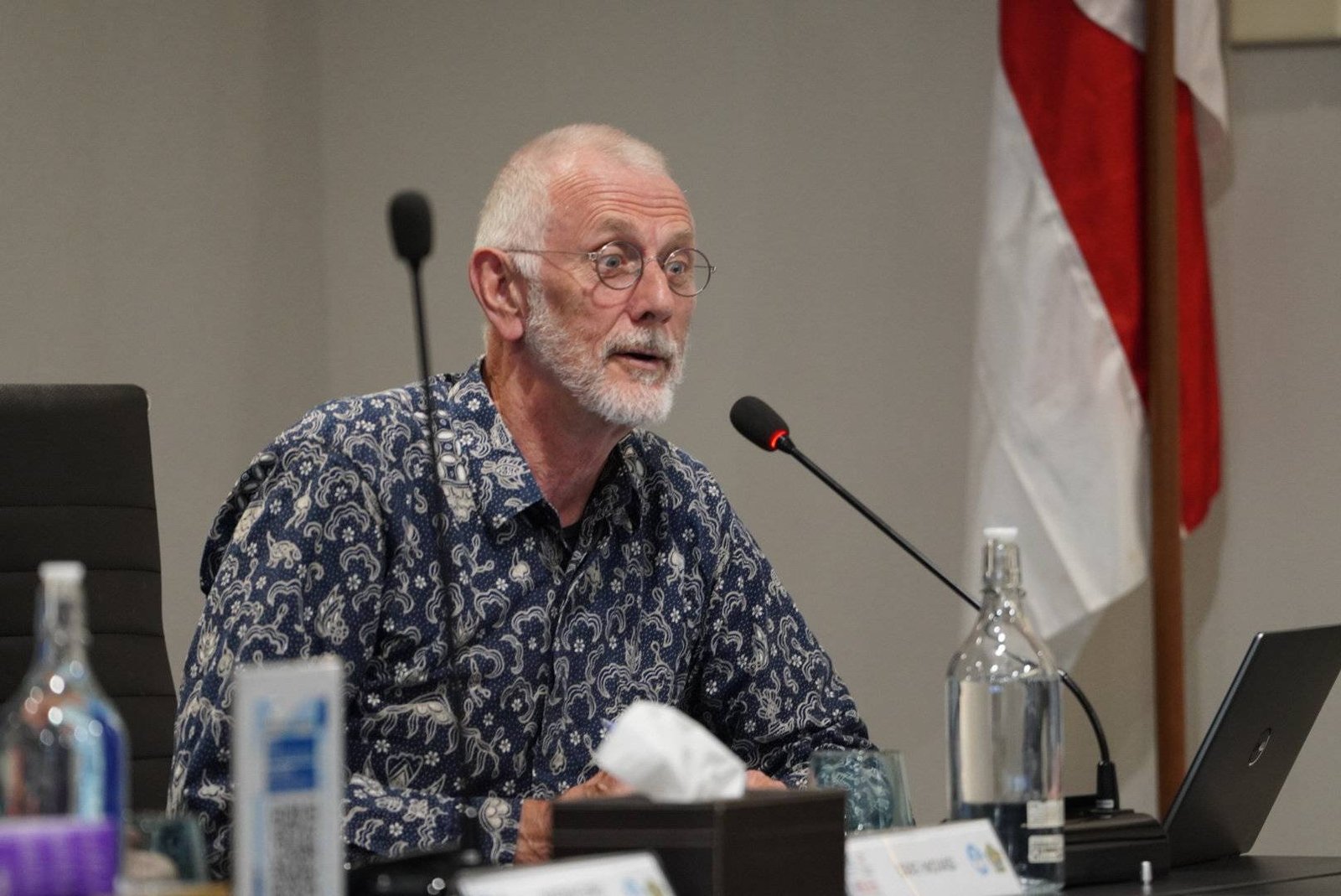
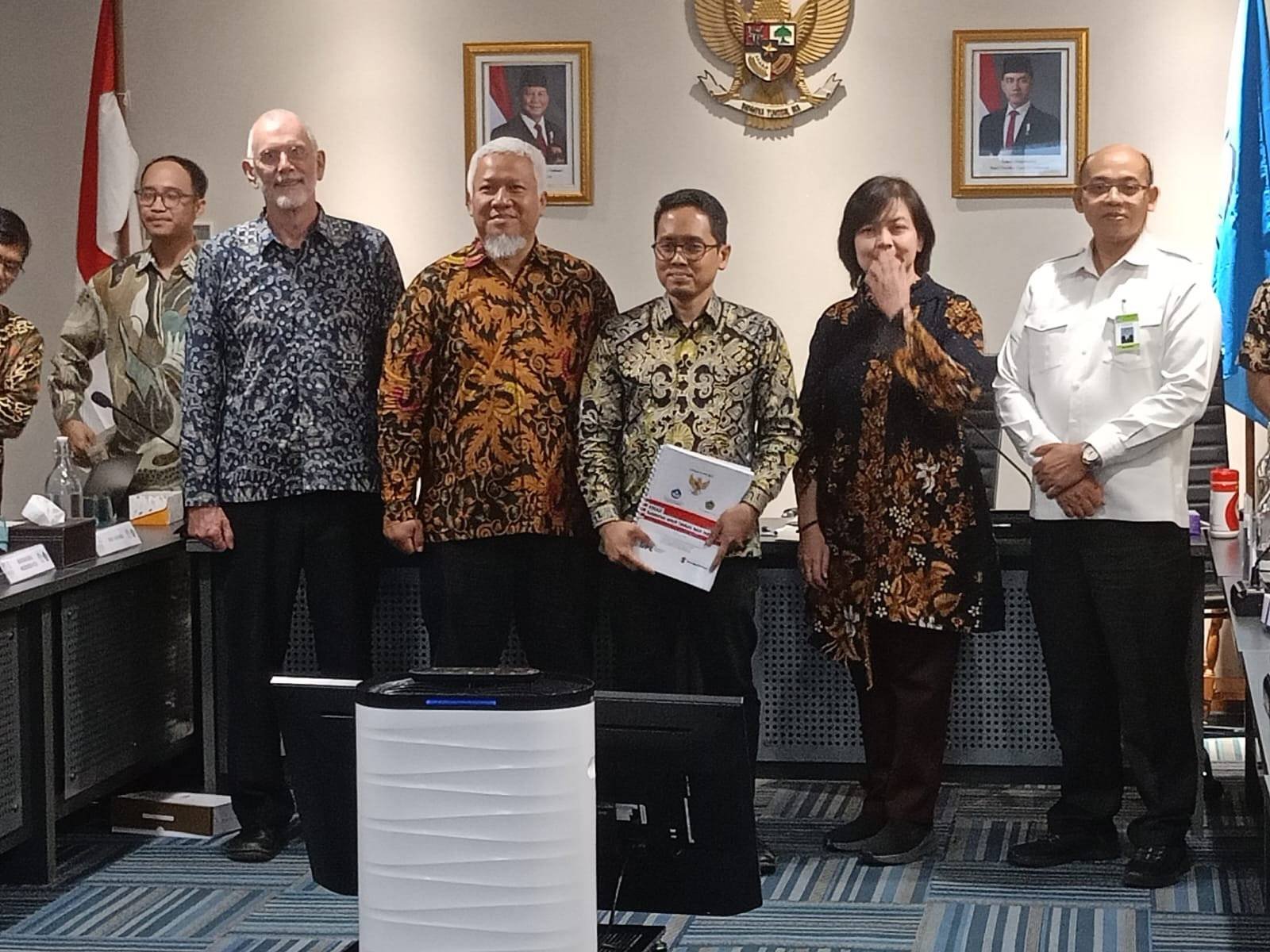
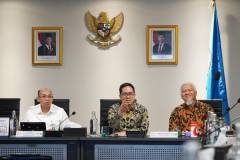
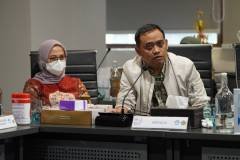
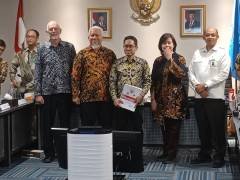
Jakarta, December 12, 2024 – The Collaboration for the Education of Indonesian Children or Kolaborasi untuk Edukasi Anak Indonesia (KREASI) Program held its First National Steering Committee meeting. The meeting was attended by the Co-Chairs of the Local Education Group (LEG), including the Head of the Education Standards, Curriculum, and Assessment Agency (BSKAP) of the Ministry of Primary and Secondary Education (MoPSE), Anindito Aditomo, Ph.D., a representative from the Directorate General of Islamic Education at the Ministry of Religious Affairs (MoRA), Muhammad Sidik Sisdiyanto, S.Ag., a representative from the Ministry of National Development Planning/National Development Planning Agency (PPN/Bappenas), the Program Director of Innovation for Indonesia’s School Children (INOVASI), Mark Heyward, the Acting Chief of Party of KREASI, and Chief of Strategic Partnership and Program Operations at Save the Children Indonesia, Rosianto Hamid.
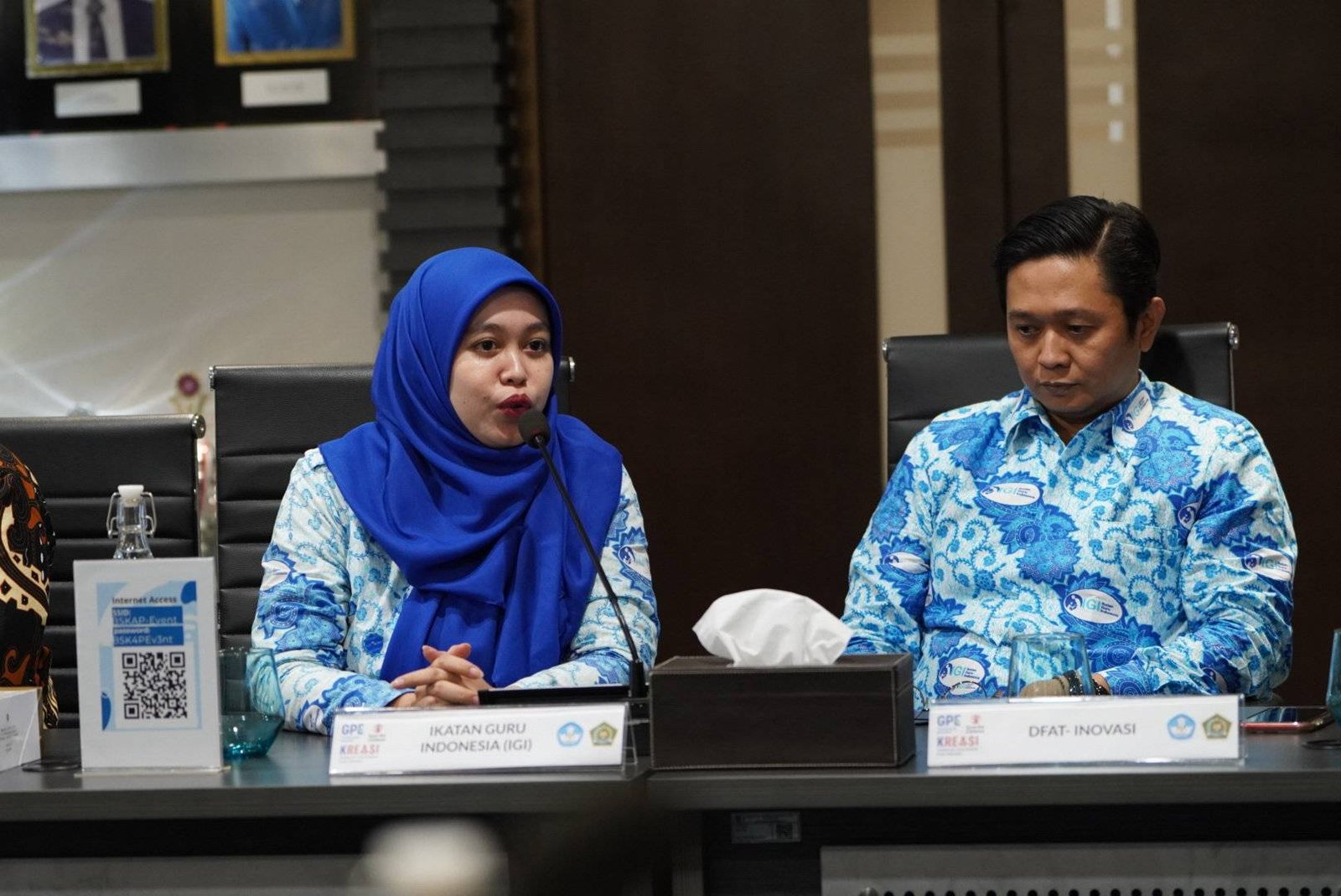
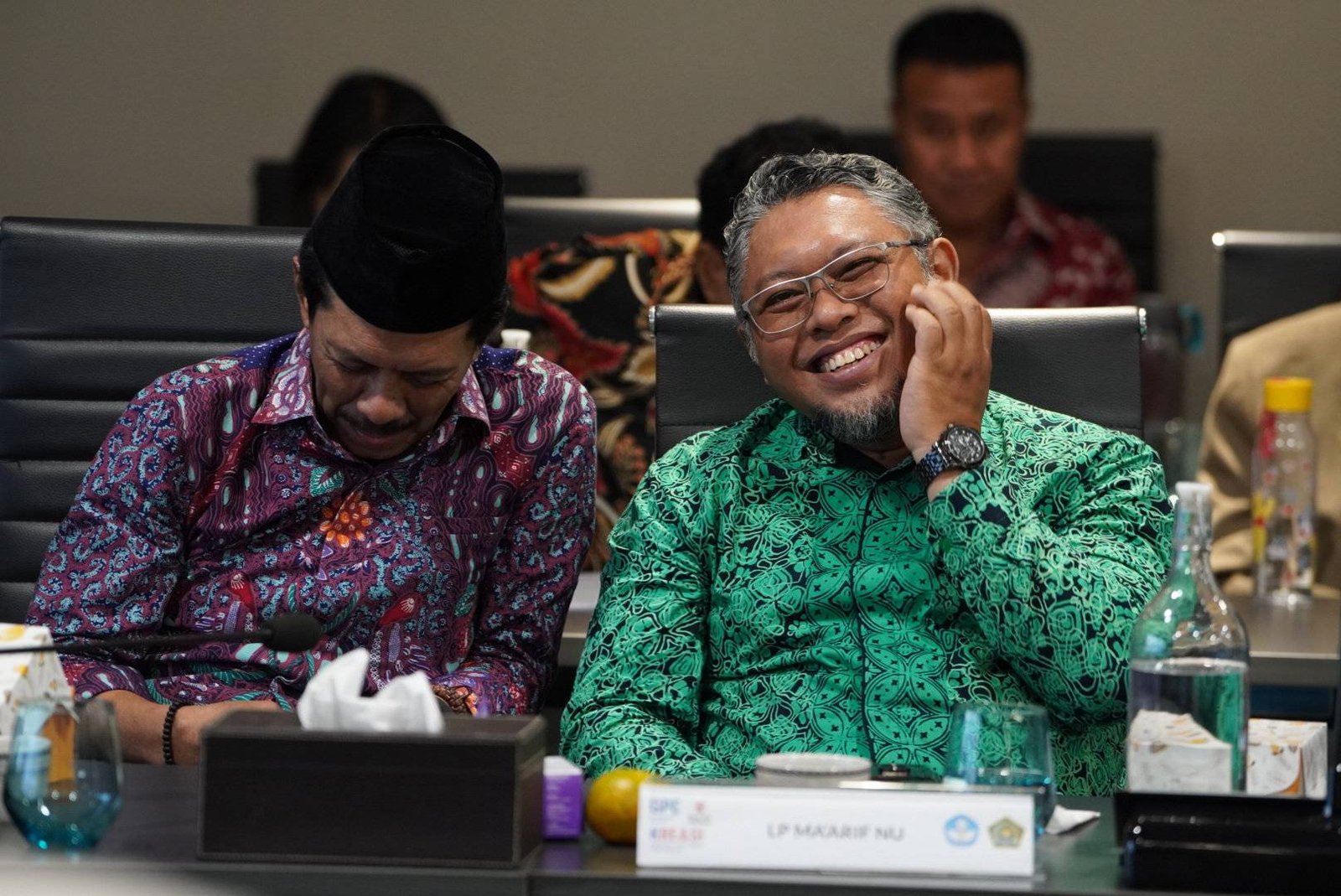
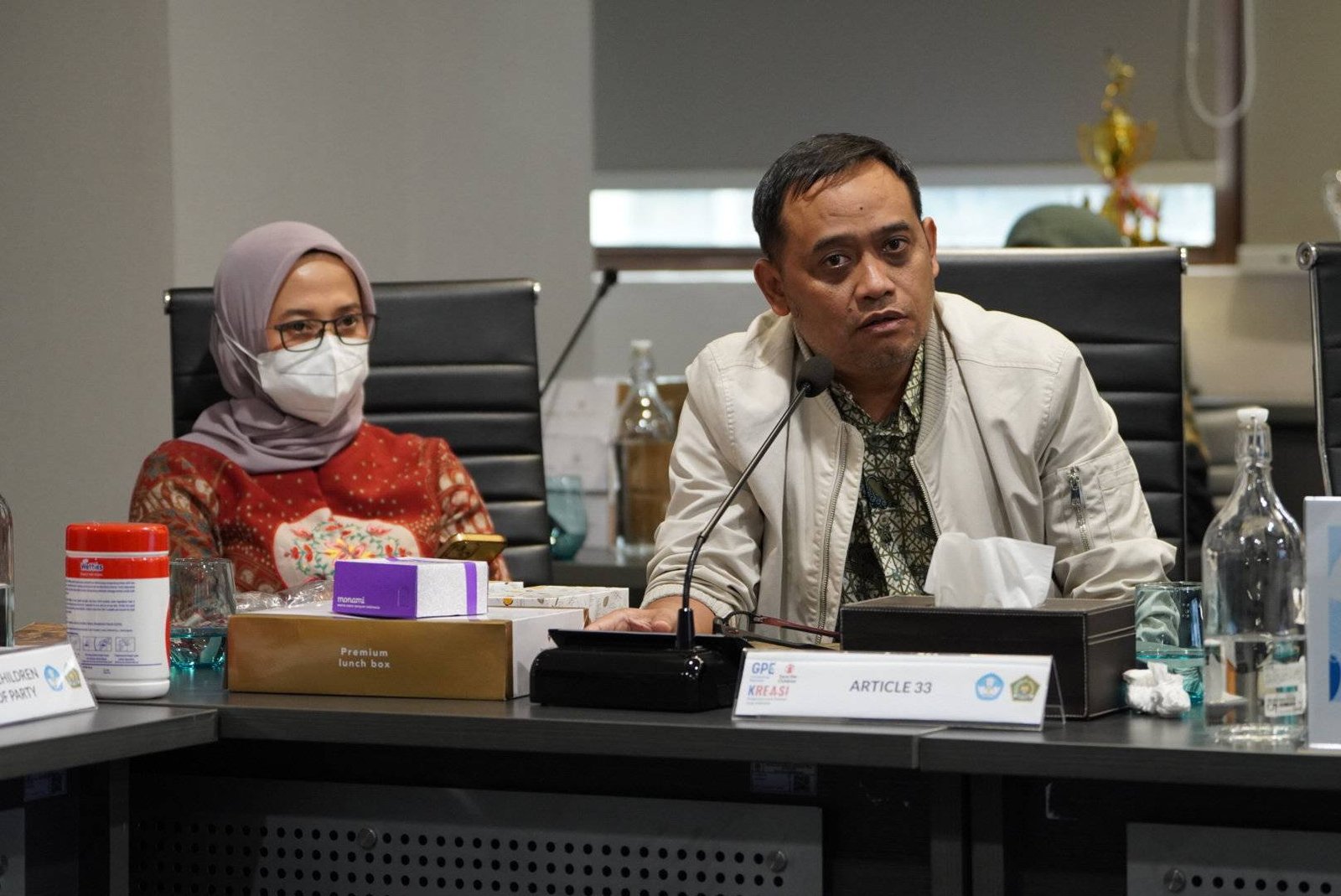
The meeting was also attended by members from LEG’s Co-Coordinating Agencies, the Center for Education and Policy Studies (PSPK) and Plan International Indonesia Foundation (YPPI), as well as Local Implementing Partners (LIPs) of KREASI from eight districts: Article 33, the Ikatan Guru Indonesia (IGI), LP Ma’arif NU, Yayasan Guru Belajar (YGB), Majelis Dikdasmen PNF PP Muhammadiyah, Wahana Visi Indonesia (WVI), and Stimulant Institute.
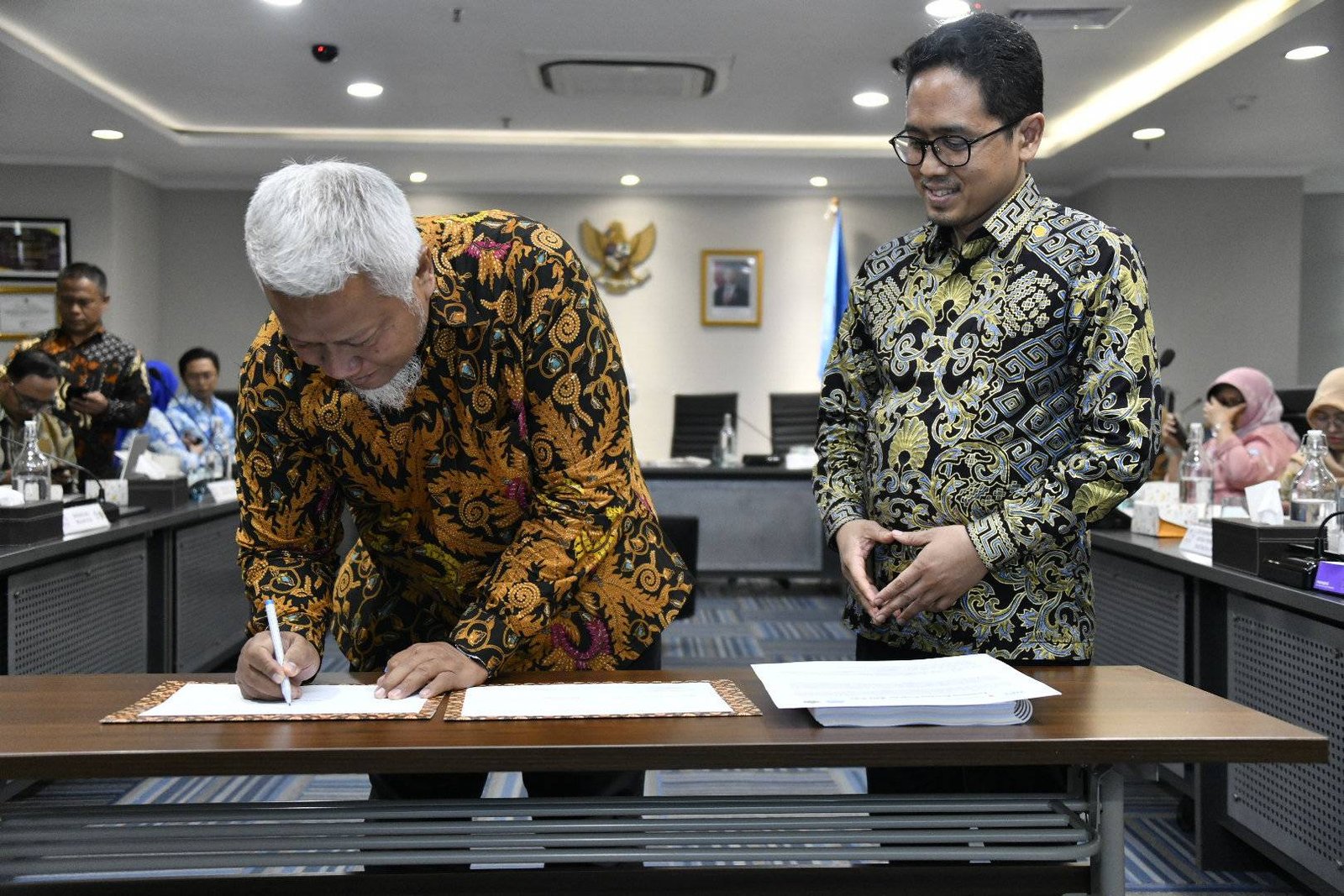
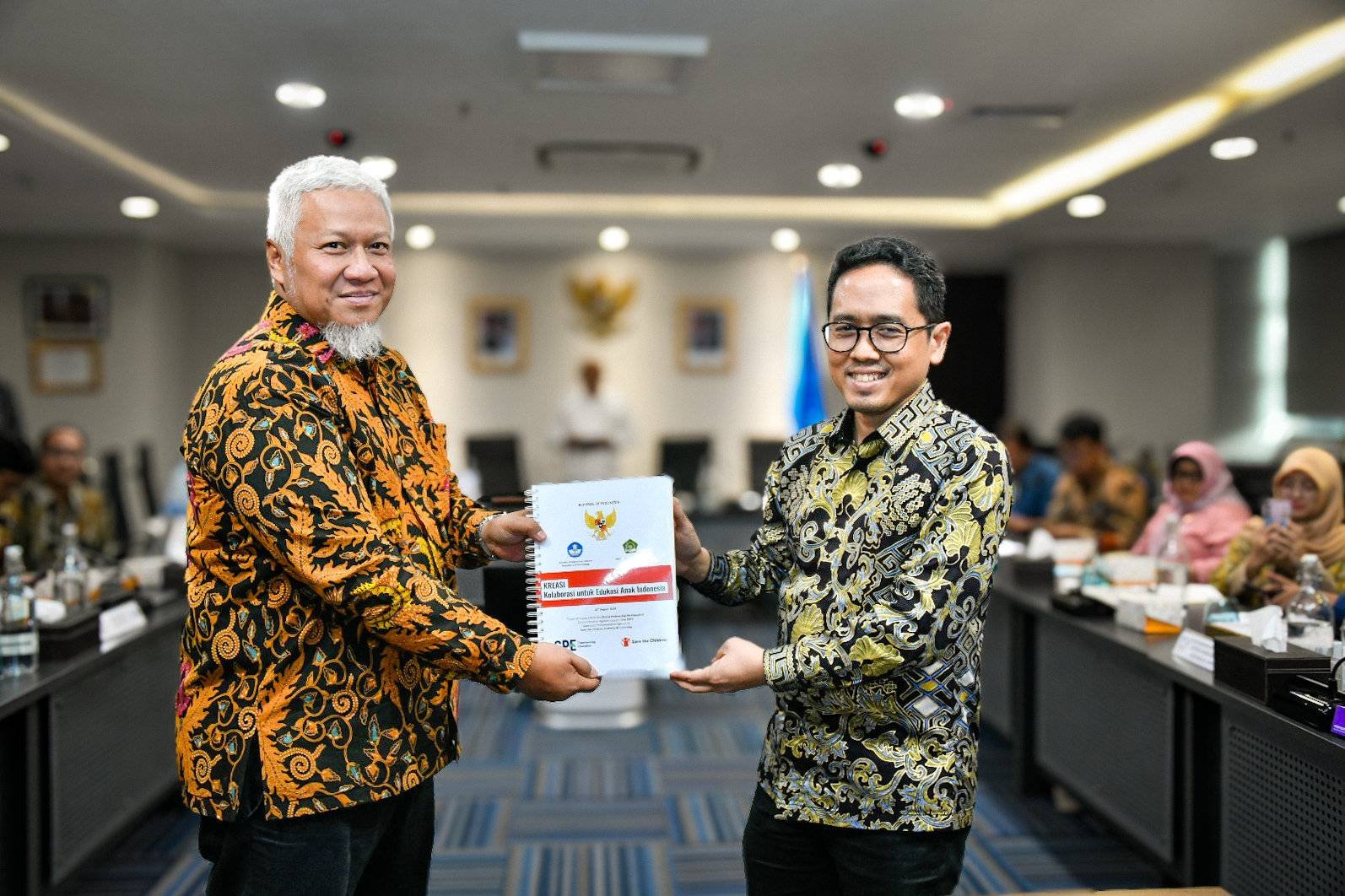
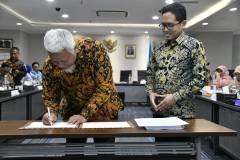
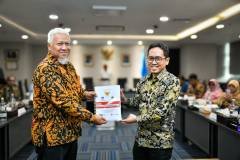
One of the key highlights of this meeting was the signing of the Joint Commitment (Komitmen Bersama) for the KREASI Program, which serves as the foundational principle for implementing the program in accordance with grant guidelines to achieve its objectives. This National Steering Committee meeting took place after the selection of the Local Implementing Partners (LIPs), providing an opportunity for the Government to communicate strategic messages to the entire KREASI team and LIPs regarding program implementation across the eight target districts.
MoPSE expressed its delight at the official launch of the KREASI program. Preparation for this program has been ongoing since 2021, and now it is ready for implementation. The program is grant-based and managed by civil society organizations rather than directly by the government. MoPSE also appreciated the selection of Local Implementing Partner (LIPs) organizations in the eight districts where KREASI will operate.
MoPSE emphasized that the goal of “Quality Education for All” cannot be achieved solely by the Central Government. Quality education must reach children directly in schools through strengthening local ecosystems. Educational achievements heavily depend on the capacity of local governments and local actors at the district level.
The KREASI program is a sister initiative to INOVASI, which has been running successfully for eight years over two phases. The success of INOVASI encouraged the Australian Government to extend the program, and the Global Partnership for Education (GPE) opened matching funds for KREASI. MoPSE hopes that KREASI can draw lessons from INOVASI to strengthen its own implementation.
The INOVASI program highlighted that collaboration between INOVASI and KREASI will amplify positive impacts on the education of Indonesian children. Both programs share the same focus: improving the quality of learning at the foundational level.
Meanwhile, MoRA expressed its hope that the program would significantly impact the future of children. Schools receiving support are expected to serve as models for surrounding schools, with measurable and clear outcomes. MoRA also stressed the importance of regular evaluations to ensure the program runs effectively.
Bappenas stated its full support for the KREASI program. The program aligns with the National Development Agenda, particularly regarding the 13-year compulsory education starting from early childhood education (ECE). KREASI is expected to improve learning quality in the 3T regions (Frontier, Outermost, and Underdeveloped) and for underprivileged families. Bappenas also highlighted the importance of Indonesia’s recently launched education roadmap, developed jointly with MoPSE, which promotes student-centered learning and affirmative action for disadvantaged groups.
The government emphasized the importance of quality education encompassing literacy, numeracy, and character building. Children need a strong foundation, and resources should prioritize those most in need. Additionally, integrating nutrition education into the KREASI program was noted as an important consideration. Although the program does not fund logistics, nutrition education can be integrated into character education.
Author: Anggi M. Nasution