


KREASI aims to improve equitable access to quality education in Indonesia by enhancing teaching, learning, and student development. Nias Selatan District in North Sumatra Province is one of KREASI’s eight areas of intervention.
Supported by the Global Partnership for Education (GPE) through the Multiplier Grant, the KREASI Program is a government-led initiative focusing on early childhood and primary education. It aims to improve foundational skills and strengthen child protection across schools.
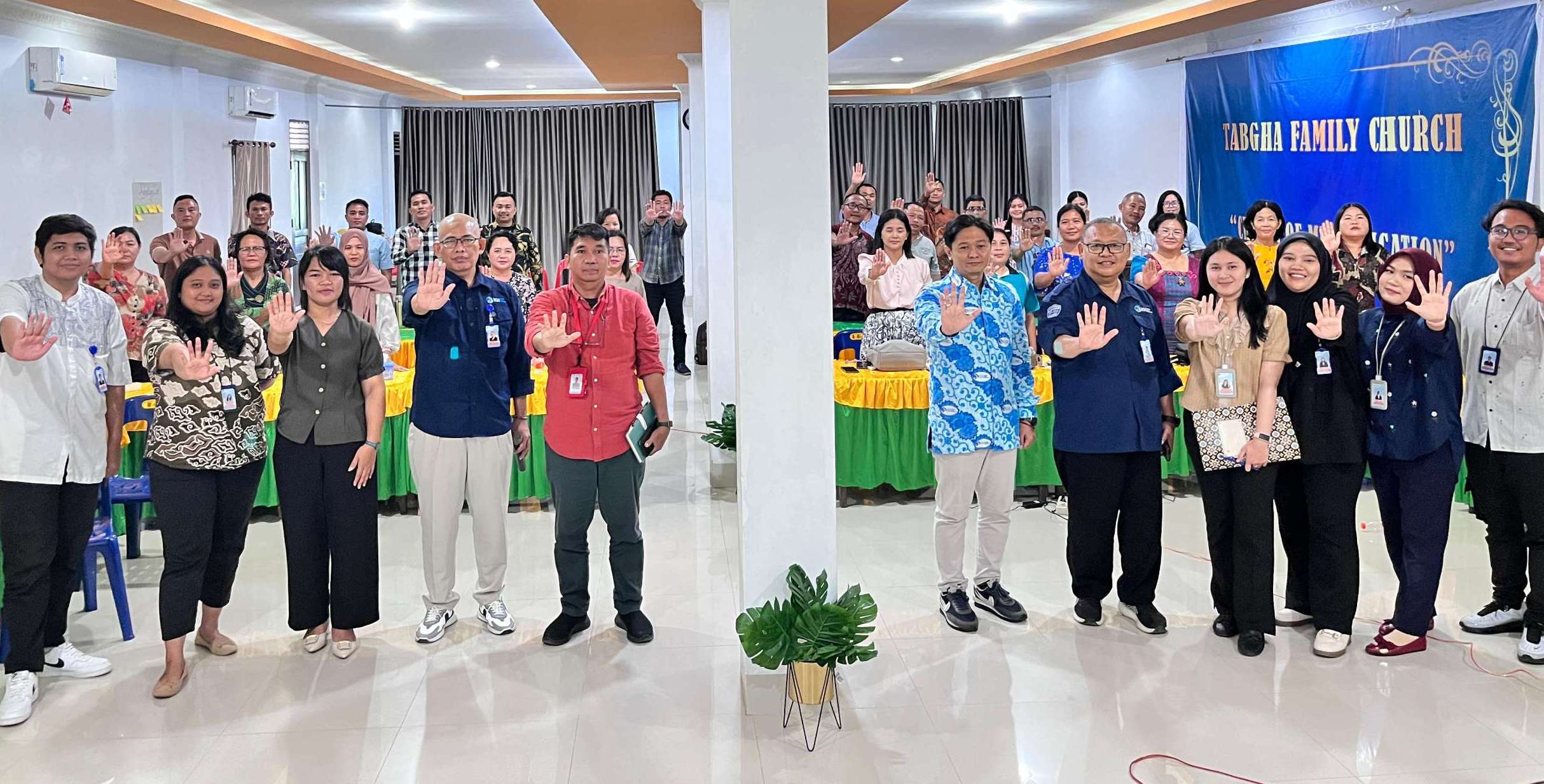
Child protection is one of KREASI’s focus areas. To help create safe and supportive learning environments, KREASI in Nias Selatan, through its implementing partner Ikatan Guru Indonesia (IGI), conducted training for the Violence Prevention and Handling Team (TPPK). This initiative involved 30 KREASI-supported schools, including Kindergartens, Early Childhood Education centers, Islamic Pre-Schools, Primary Schools, and Islamic Primary Schools. The training focused on equipping TPPK members to respond effectively to incidents of violence in schools.
Held from 22–25 April 2025, the four-day training featured speakers and facilitators from the Indonesian Child Protection Commission (KPAI), the Education Quality Assurance Agency (BPMP) of North Sumatra Province, the Nias Selatan Education and Culture Office (Disdikbud), the Nias Selatan Population Control, Family Planning, and Women’s Empowerment and Child Protection Office (DPPKBP3A), the Social Service Office (Dinsos), and Nias Raya University.
Participants actively engaged in discussions, asked questions, and shared their experiences. Many admitted that past incidents had been mishandled or went unreported due to the lack of a clear system. Others noted that victims often didn’t know where to turn. This highlighted the urgent need for safer, more accessible reporting mechanisms in schools.
Facilitators introduced a structured approach to handling complaints, including how to receive, verify, and follow up reports while protecting the confidentiality of both victims and whistleblowers.
A simulation session allowed participants to practice what they’d learned. The training also emphasized the importance of clear documentation and reporting to ensure transparency and accountability.
Group discussions helped deepen understanding of practical steps schools could take. By the end of the workshop, participants felt more confident in their roles. Some even proposed drafting simple Standard Operating Procedures (SOPs) for immediate use in their schools.
Nurmawati, one of the participants who is the coordinator of TPPK in a primary school, said, “This activity is very useful for us. We now understand our duties and functions. It has been more than a year since we were appointed, and this is the first time we’ve received training. After this, I feel more confident in carrying out my responsibilities to prevent and handle violence.”
The four days were productive and inspiring. Facilitators hope the training will not only strengthen the work of TPPK members but also inspire borader culture of safety and care in schools throughout Nias Selatan.
Authors: Reinhard Simanjuntak (KREASI District Representative for Nias Selatan) & Afnidar Dakhi (KREASI IGI Communications Officer for Nias Selatan)
Editor: Andika Ramadhan (KREASI Communications and Media Support)
Translator: Anggi M. Nasution (KREASI Innovation, Impact and Knowledge)