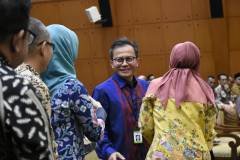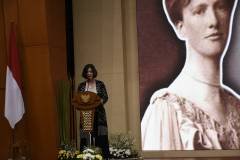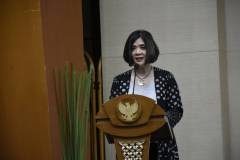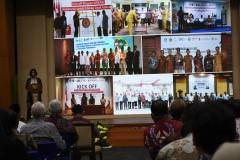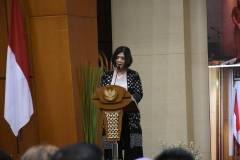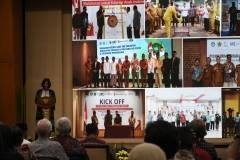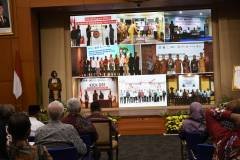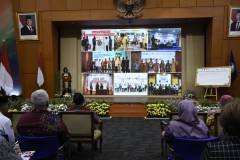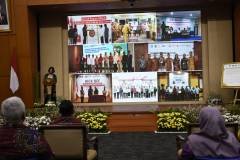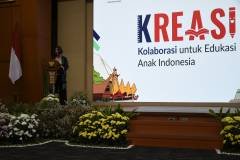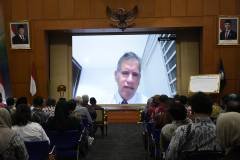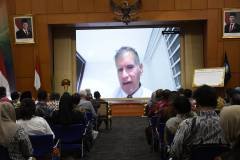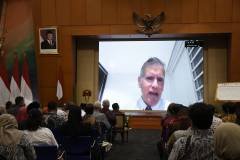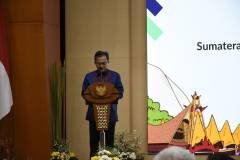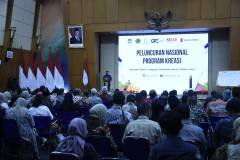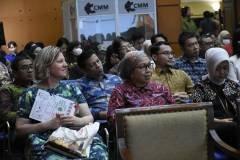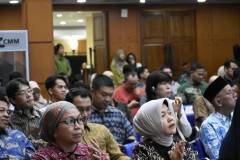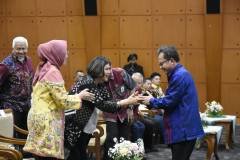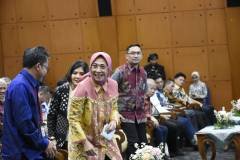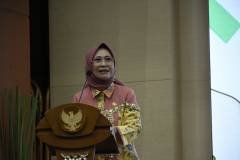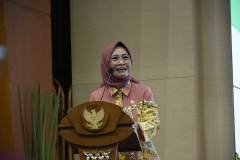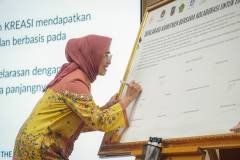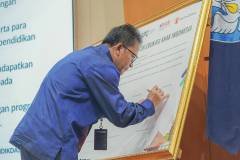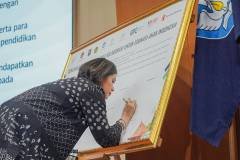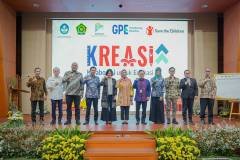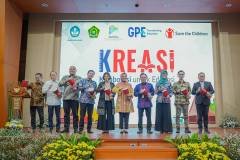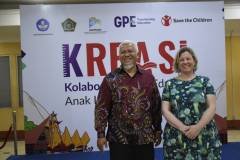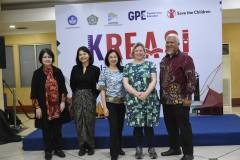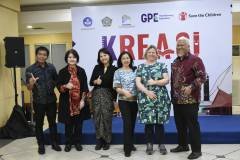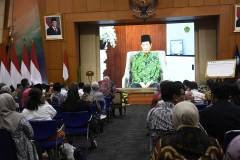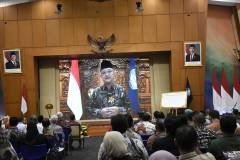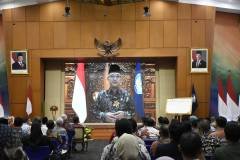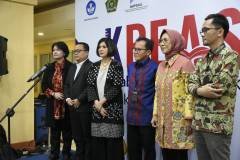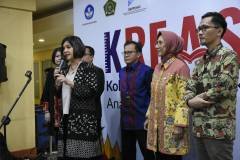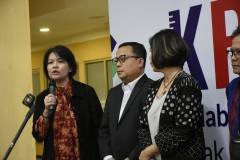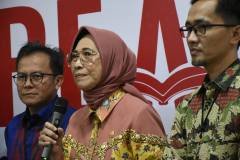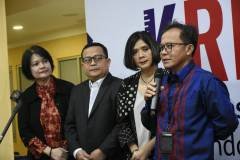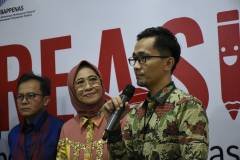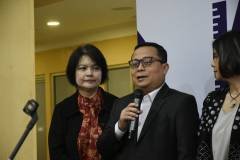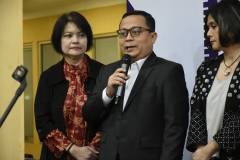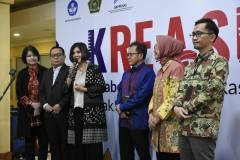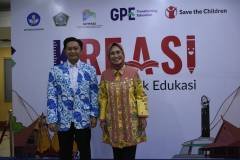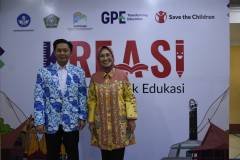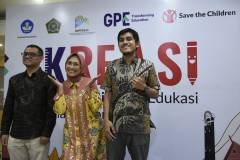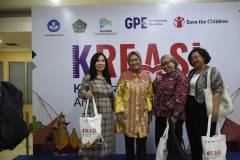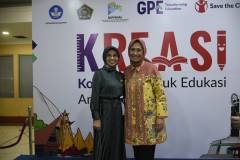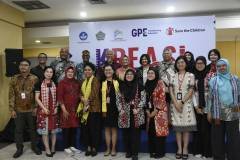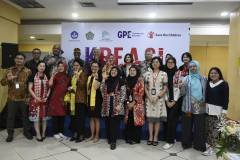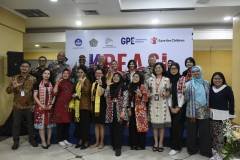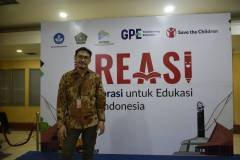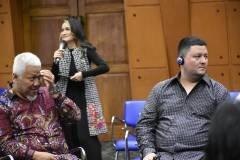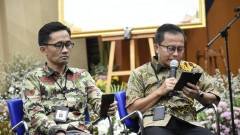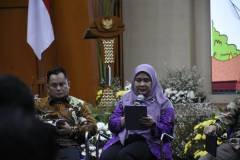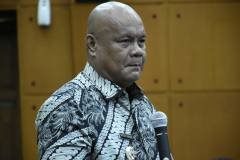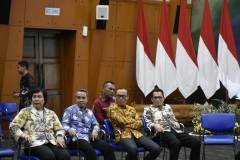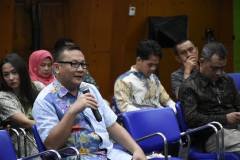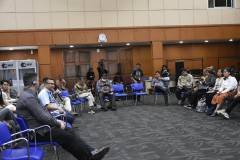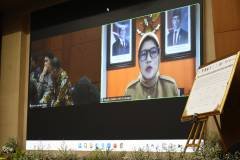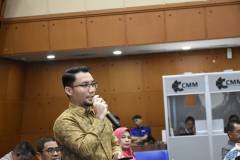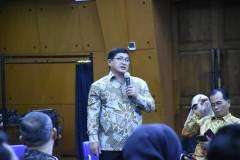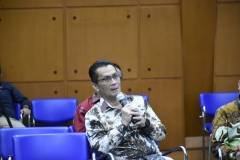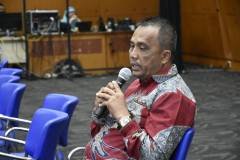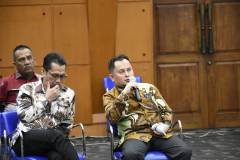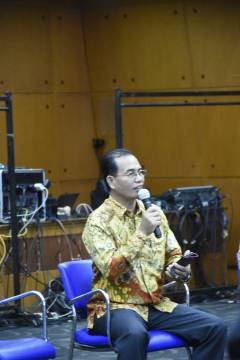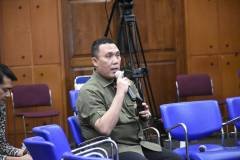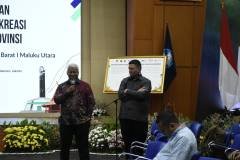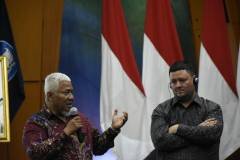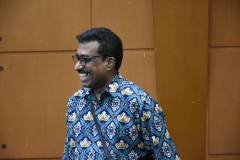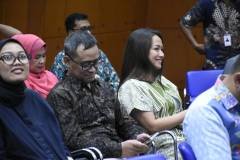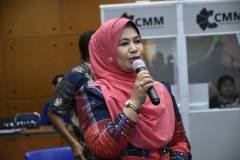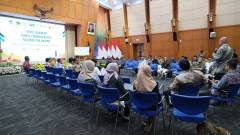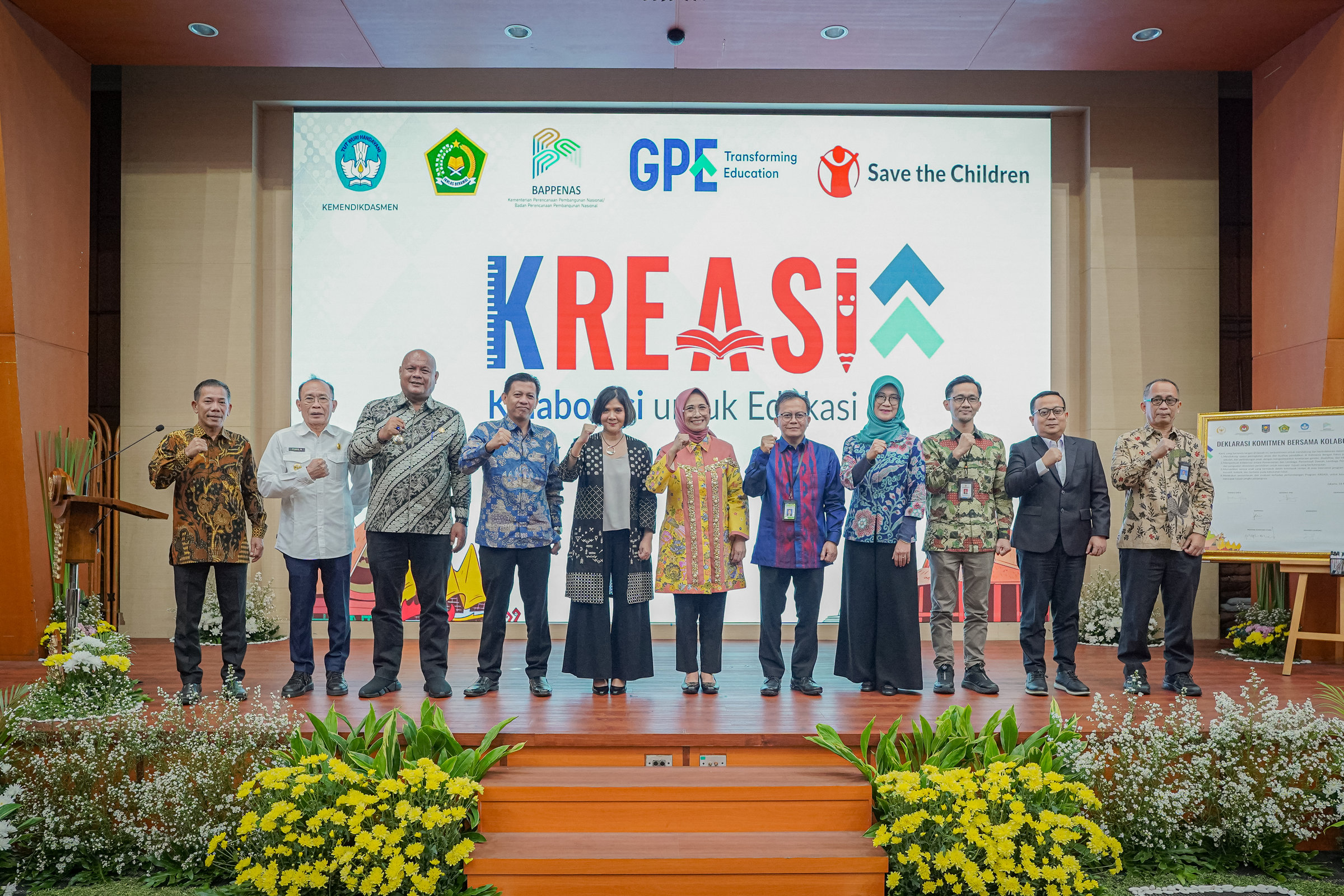
Jakarta, 18 March 2025 – Save the Children, Global Partnership for Education (GPE), and the Government of Indonesia launched KREASI (Collaboration for Indonesian Children’s Education), a project aimed at strengthening the curriculum, learning practices, school leadership, and child protection systems at the Early Childhood Education (ECE) and Primary School (SD) levels.
KREASI was developed together with the Ministry of Primary and Secondary Education, the Ministry of Religious Affairs, and BAPPENAS. The program is implemented through Save the Children and implementing partners—including Article 33, the Ikatan Guru Indonesia (IGI), the Yayasan Guru Belajar (YGB), LP Ma’arif NU, Majelis Dikdasmen-PNF Muhammadiyah, the Stimulant Institute, and Wahana Visi Indonesia (WVI)—under the Mitra Pendidikan Indonesia (MPI) consortium.
“The KREASI program is an important step in creating quality education in Indonesia. Quality education in various religious schools will improve literacy and numeracy skills and shape the character and morals of children so that they can become a generation with noble morals and contribute positively to the nation,” explained the Minister of Religious Affairs, Prof. Dr. K.H. Nasaruddin Umar, M.A.
The 2022 Programme for International Student Assessment (PISA) study highlights the importance of improving the quality of education in Indonesia, especially in reading, mathematics, and science skills among 15-year-old students. The results of this study remind us that there is still much room for improvement in the education system to ensure that Indonesian children reach their full potential and are able to compete globally. In addition, from the same source, around 25-30% of 15-year-old students reported experiencing bullying at school every month.
The Minister of Primary and Secondary Education, Abdul Mu’ti said that education is the main foundation for building the future of the nation. “By strengthening the quality of teaching, learning and student development, especially in improving literacy skills and character education at the ECE and SD levels in areas that still need support such as in the provinces of North Sumatra, Lampung, West Kalimantan and North Maluku, we can create a more inclusive, equitable and quality learning environment so that Indonesian children are able to develop their best potential in order to achieve their dreams for that“, he said.
To improve the basic skills of PAUD and SD students, KREASI will encourage better policies and practices in curriculum and assessment, ensuring that learning materials and basic skills evaluations are implemented effectively at the national and regional levels. This program will also improve teaching policies and practices, so that literacy, numeracy, and character education can be better taught in target schools. In addition, KREASI will strengthen educational leadership by advocating for equitable and quality teaching policies and practices. This program will also encourage stronger child protection policies and practices to create a safe, inclusive and violence-free learning environment.
“We believe that every child deserves quality education from an early age. Through the KREASI program, we want to ensure that literacy and numeracy are not only taught, but truly understood by every child. And by collaborating with various parties, this will be a concrete step to create a learning environment that supports children in achieving their dreams,” explained Dessy Kurwiany Ukar, CEO of Save the Children Indonesia.
The KREASI program supports Indonesia’s Partnership Compact to improve the quality of learning, which is the main focus of the 2024 Annual Joint Sector Review (AJSR)—a study of the education sector in Indonesia that formulates steps to improve learning outcomes. The findings from the AJSR reinforce the urgency of targeted interventions, such as KREASI, to strengthen basic skills and improve learning outcomes.
“Basic skills provide the foundation for children to continue learning throughout their lives, helping them through various levels of education. This is why GPE works with partners in Indonesia to build these important skills from an early age, especially for children from vulnerable groups,” said Laura Frigenti, CEO of the Global Partnership for Education.
“Prioritizing basic learning has the potential to transform Indonesia’s education system and help the country achieve its ambitious learning targets,” she added.
Strong collaboration is key to ensuring every child has access to quality education. Let’s support this initiative together, so that Indonesian children grow into a smart generation that is able to achieve a bright future.
Author: Nesya Tirtayana